
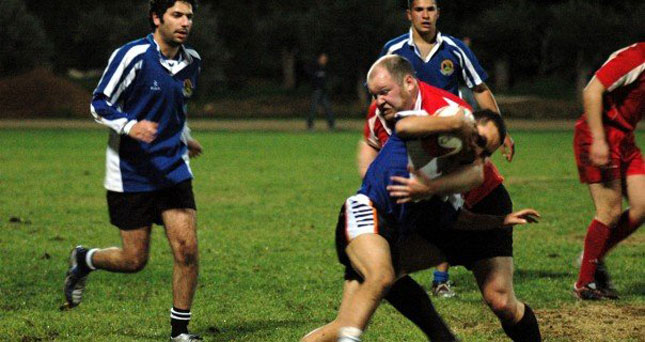
Rugby league in Lebanon celebrated its tenth birthday on Saturday, with 10 March 2002 marking the first day of the domestic development project. In the subsequent decade Lebanon’s appreciation of the sport and its culture has become steadily more ingrained, with rugby league now on the cusp of going mainstream.
“Everyone involved, past or present, in Lebanese rugby league, should take some time over the weekend to reflect back on the growth of the sport in Lebanon and feel good about themselves,†said LRLF president, Mohamad Habbous, a Canadian-Lebanese from Montreal who got involved through playing with Balamand University in 2002. “The unbelievably testing environment in which the game has not only survived but thrived is a testament to the will of Lebanon’s rugby league community. Our growth in Lebanon is not only an important example for the country itself, but has made us, I believe, an important part of the rugby league world, with the Middle East ripe for development.â€
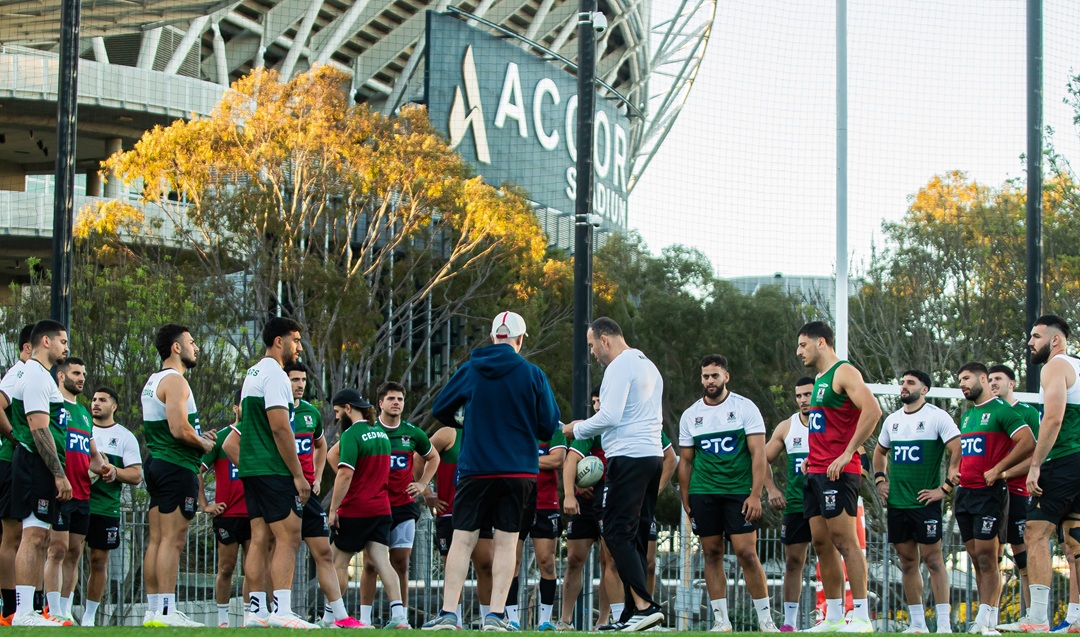
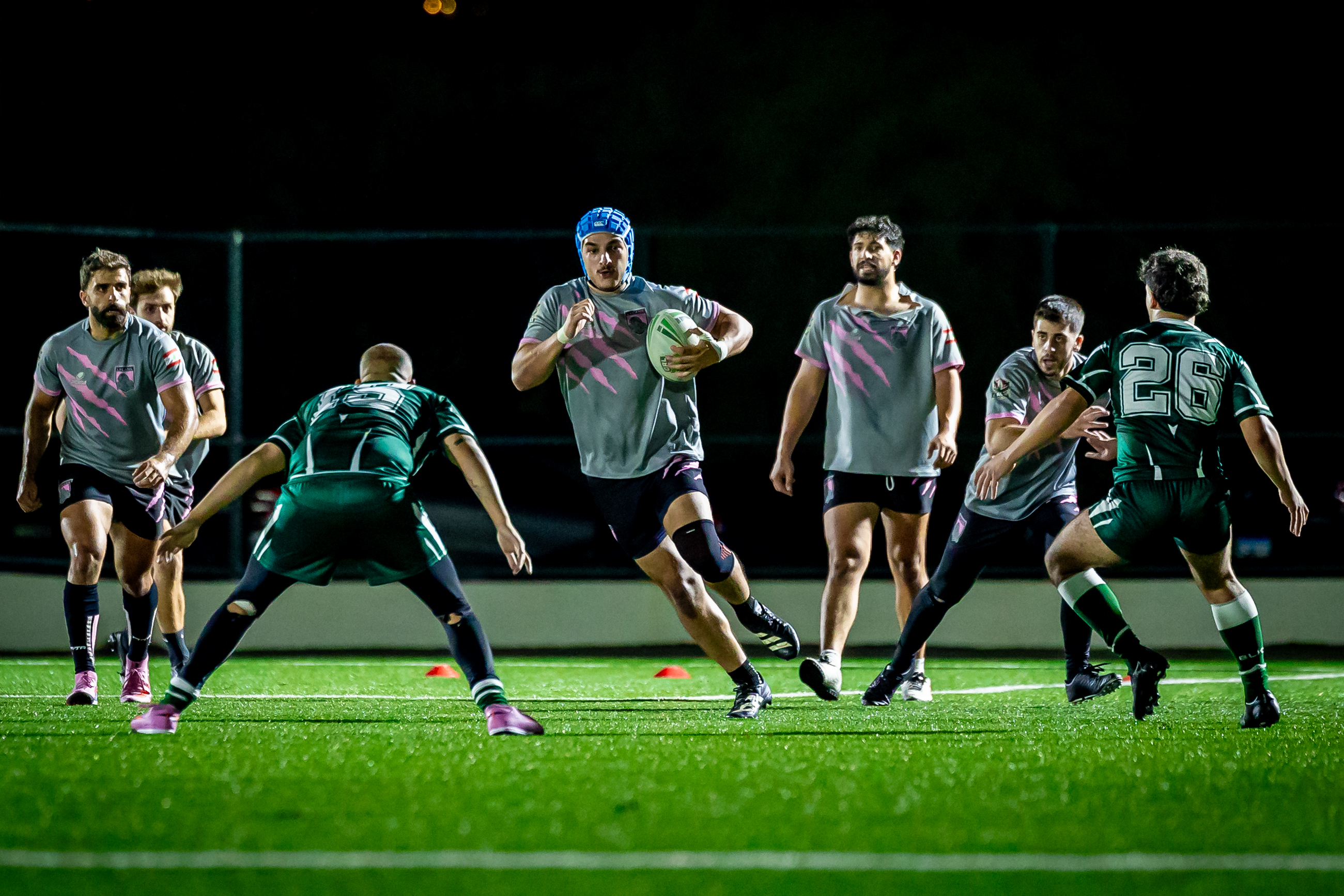
Lebanese rugby league’s operation now spans 11 schools – a number which is set to rise in the coming year, and which includes some of the best schools in the country – five clubs playing an eight-month championship, a five-team university championship, which features some of Lebanon’s most famous and influential institutions, and national teams at under-16, -18, -20 and senior level .
A member of the Lebanese Ministry of Youth and Sport and a Full Member of the RLEF, the LRFL also expects to achieve that latter mark with the RLIF in 2012. The LRLF has run annual coaching and match officials’ courses since 2005, pays its match officials, and acts as a leader in the region, where rugby league is on an upward trend.
Chief operating officer Remond Safi, whose involvement in the project began in 2002 when he was identified at Beirut airport as missing from the national military service register and frog-marched to the nearest army base for processing and basic training, derives deep satisfaction from the sport’s growth.
“We started with no funding, no presence whatsoever, just a passion for the game,†said the former lieutenant and Bulldogs junior. “Since then rugby league has witnessed an incredibly encouraging rise in popularity, based principally on its strategy of ownership and nonpartisanship. Young Lebanese have embraced not only our great sport, but also the opportunity to invest, morally and physically, in a truly Lebanese project that they can see is benefitting Lebanese civil society, through the life lessons the sport imparts on its participants, but also Lebanon’s good name abroad.â€
Probity is not always associated with Lebanese sports, which are riddled with factionalism and, more perniciously, sectarianism. Not so rugby league, which adopted a transparent and liberal creed from the outset, something that has both remained absolute and generated a loyal, committed local following.
In 2002 development work began in three universities and the army, who all participated in the first championship in October that year. The Lebanese championship, which started as two separate tournaments each year before becoming one annual competition in 2007, has fluctuated in size and length since then, but has remained constant, providing Lebanon’s ‘leaguies’ with an enduring and much cherished institution despite the affliction of war (2006 and 2007), incessant political division that has at times left the country crippled, and invariably difficult economic climes.
In 2003 the Lebanese sports ministry created the Lebanese Rugby League Committee, the forerunner to the full LRLF, making Lebanese rugby league, which began as a notion in Sydney in the mid-1990s, truly official. “We’ve got our own strategy,†continued Safi, “and it works very well. We help run community programs, get schools lined up to feed universities and universities to feed the clubs with the whole community around it.â€
Like so many sports that are almost completely without a history in Lebanon, rugby league suffers from a lack of substantial government financial support and a crippling lack of green space, meaning at times bitter struggles with cashed up football clubs and the ubiquitous spectre of competing political influences.
Safi went on to explain how the sport finances its various activities: “We have received less money in our time in Lebanon from the government than most other sports. Our sport is supported primarily by the players and the Lebanese rugby league community. We have always found a way to get things done as those involved recognise how valuable a model this project is to their country. I can see rugby league been played all across Lebanon across all ages in the next decade.â€

March 11, 2012
-
One Lebanon
-
-
One Lebanon
-
-
One Lebanon
-
-
One Lebanon
-
-
One Lebanon
-
-
One Lebanon
-
-
One Lebanon
-
-
One Lebanon
-
-
One Lebanon
-
-
One Lebanon
-
-
One Lebanon
-
-
One Lebanon
-
-
One Lebanon
-
-
One Lebanon
-
-
One Lebanon
-